
Box-Office King, Diva Without a Budget: The Super-IP Paradox of Music Biopics
Updated:
In April 2026, the Michael Jackson biopic Michael broke the genre's opening-weekend record with a $97 million North American debut, then kept climbing, ultimately surpassing Bohemian Rhapsody with roughly $912 million worldwide to become the highest-grossing music biopic in film history. Barely two months later, Madonna confirmed in a magazine interview that the personal biopic she had spent nearly a decade developing was definitively dead—killed by a budget dispute with Universal Pictures.
Same business, same year, two opposite fates. One super-IP rewrote the genre's box-office history; another couldn't even get cameras rolling. That contrast is the clearest entry point into the current state of the music biopic: the question was never whether super-IPs can still sell, but that the narrative control attached to a super-IP keeps getting more expensive.
A Biopic's Ten-Year Dead End
The slow death of Madonna's biopic project compresses nearly every structural risk of the music-biopic business into a single case.
The starting point was 2016: an unauthorized script titled Blond Ambition topped Hollywood's "Black List" of best unproduced screenplays, and Universal planned to bring it to the screen. Madonna publicly resisted, declaring that anyone telling her story without authorization was a "charlatan and a fool" (translated; per the original report).
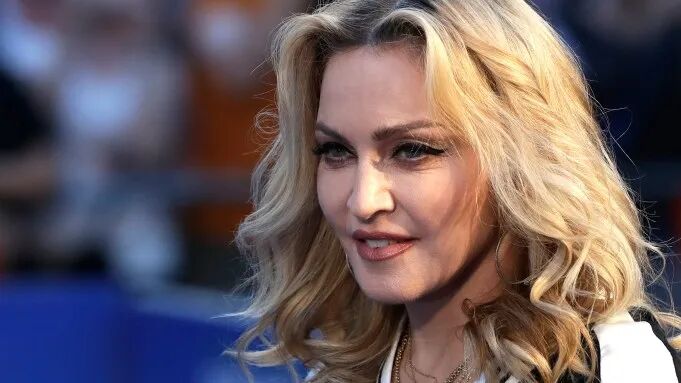
In 2020, Universal reversed course and invited her to take the helm herself, making the project official: Oscar winner Diablo Cody was tapped to write and exited by early 2021 over the difficulty of the collaboration; her successor Erin Cressida Wilson didn't last either, and Madonna ultimately spent two years writing the screenplay on her own.
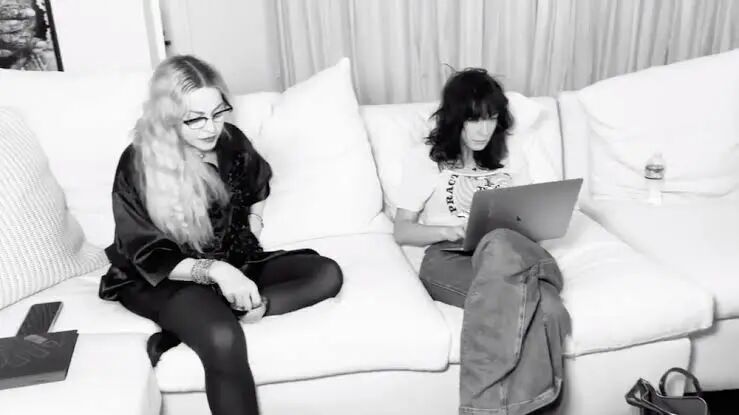
Casting proved just as protracted—per the original report, candidates including Florence Pugh, Alexa Demie, and Bebe Rexha went through eleven-hour daily dance training and multiple rounds of auditions, with Julia Garner ultimately winning the part.
In January 2023, Universal hit the pause button; 2024's restart rumors, including the working title Who's That Girl, never got beyond the page.
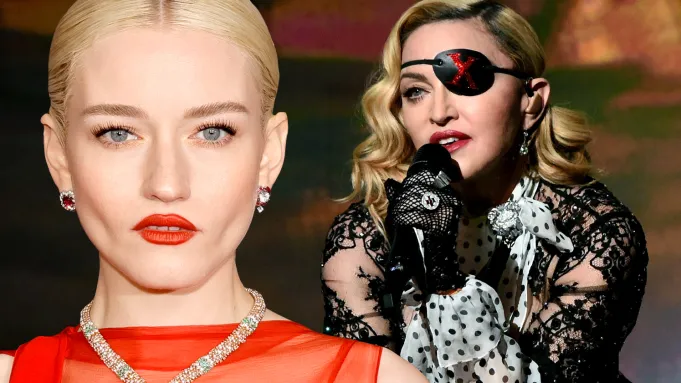
It was only in a June 2026 Interview magazine cover story that Madonna revealed the ending: the project died over a budget dispute with Universal. In her own words (translated): "My life is fascinating and enormous, so I needed a bigger budget." According to details relayed in the original report, she even offered to shoot in Serbia to cut costs—only to be met with an executive's blunt distrust: they didn't believe she could last more than four days in a place like that.
The timing is worth noting: this showdown came right before Madonna signed with Warner and released her first studio album in seven years, Confessions on a Dance Floor Part II, on July 3, 2026. A living legend with real market pull, actively releasing a new album, still couldn't get one film financed—which suggests the bottleneck was never her commercial value, but something else entirely.
With the theatrical route closed, Madonna pivoted to Netflix, developing a limited series with Deadpool & Wolverine director Shawn Levy (announced May 2025, still in development as of June 2026).
But the original report flags an awkward detail: the rights to the screenplay she wrote herself belong to Universal, whose buyback asking price amounts to extortion, so the Netflix version has to start from zero. Whether Julia Garner returns is likewise an open question—her own latest word is that the project "has to be made" (translated), but nothing is confirmed.
Why Universal Said No: A Rational Call in a Contraction Cycle
To understand Universal's refusal, you have to look at the industry conditions it was made in.
In 2023, FX Networks chief John Landgraf declared the end of the decade-plus "Peak TV" era, and the industry swung from expansion to contraction. The contraction is measurable: per FilmLA, on-location shoot days in Los Angeles fell from 36,792 in 2022 to 19,694 in 2025, down another 16.1% year over year—nearly halved in three years—while Hollywood employment dropped by roughly 30%. Industry data cited in the original report further showed scripted original series orders at the six major streamers down 24% year over year in the first half of 2025, and U.S.-based spending on projects budgeted above $40 million down 20% (both figures as relayed by the original report; no independent source could be found).
In a cycle where even mid-sized projects were getting axed, Universal was looking at: a feature directing debut by an artist famous for her need for control, a script no writer survived, a marathon casting process, and a subject actively demanding a "big budget." Saying no wasn't a verdict on Madonna—it was a pricing of risk. In a contraction, studio money flows toward greater certainty: sequels with proven templates, or projects where the rights-holder is fully cooperative.
The Real Economics of Music Biopics: A Feast at the Top, Death in the Middle
The music-biopic business is often summarized as the "Bohemian Rhapsody formula," but the summary itself needs correcting. Bohemian Rhapsody's real numbers: roughly $52 million in production cost against $910.8 million worldwide—the $869 million cited in the original report was a mid-run figure, and the final landing point was higher. And the film that broke that record is Michael: about $912 million worldwide, despite a production history full of twists.
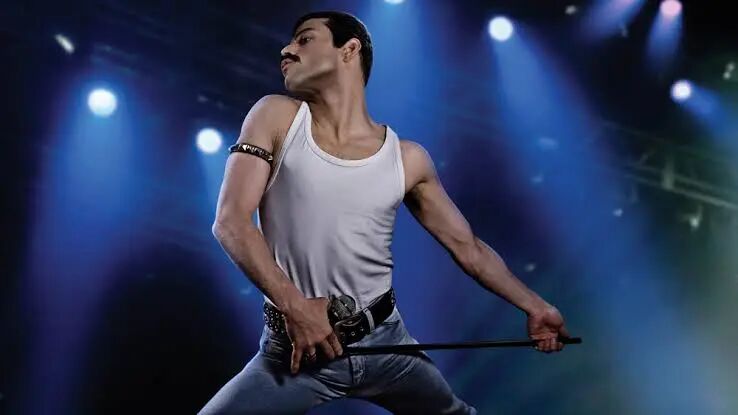
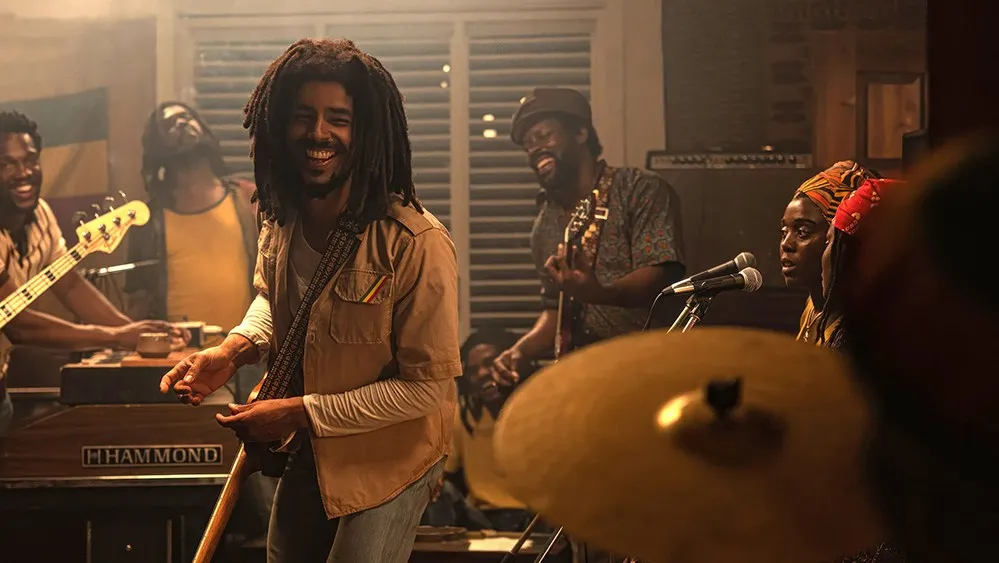
The middle of the pyramid is another picture entirely. The failure cases listed in the original report check out: the Aretha Franklin biopic Respect cost about $55 million and grossed roughly $33 million worldwide; the Whitney Houston biopic I Wanna Dance with Somebody cost $45 million against about $60 million; and the Bruce Springsteen film Springsteen: Deliver Me from Nowhere cost around $55 million, opened to about $9 million, and finished near $45 million worldwide—a global gross of roughly 0.8x its budget, an unambiguous box-office failure.
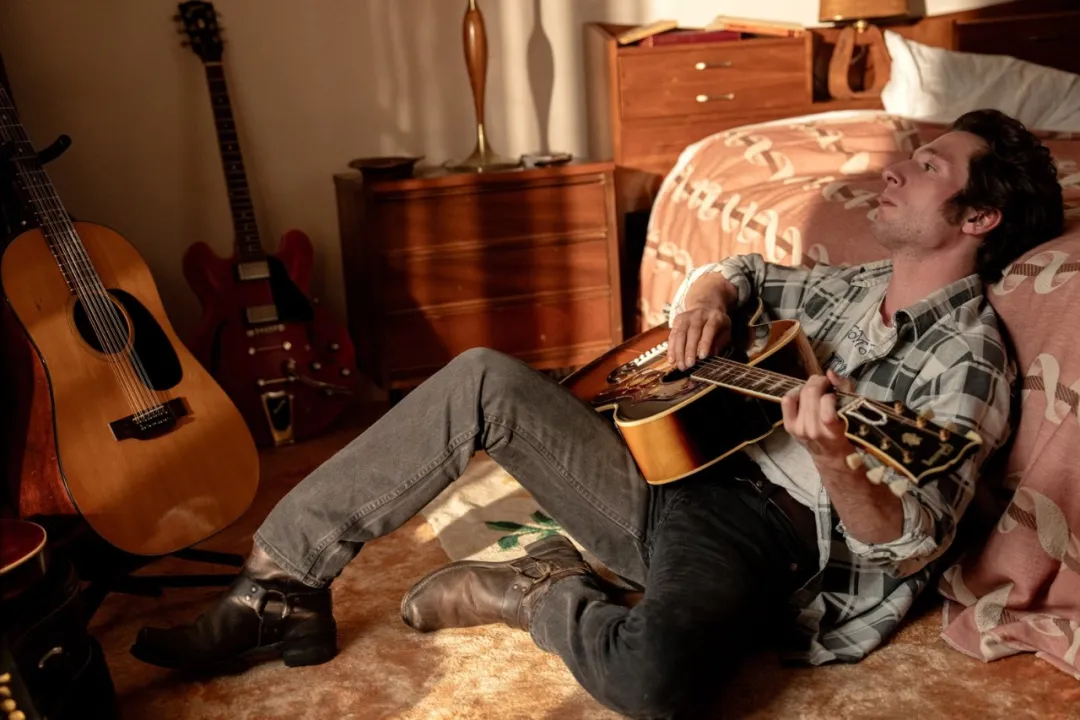
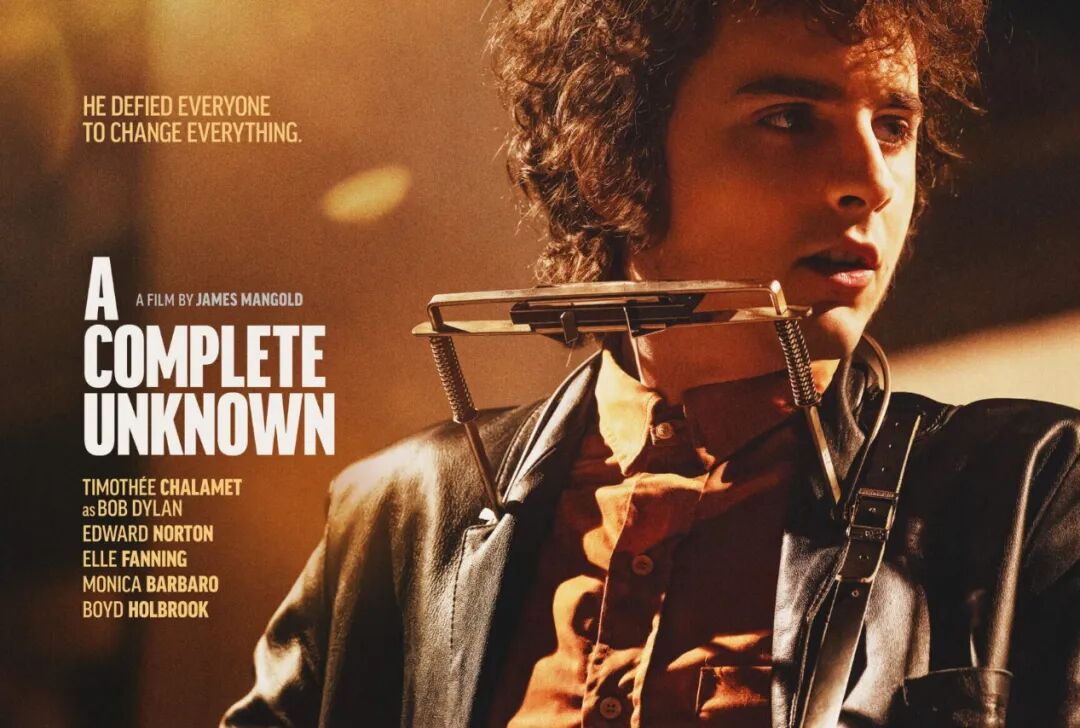
How the middle tier survives is also changing. After its theatrical miss, the Springsteen film found its audience on Disney+/Hulu; the Bob Dylan biopic A Complete Unknown turned a $60–70 million budget into roughly $140 million worldwide and eight nominations at the 97th Academy Awards, including Best Picture—awards-driven, mid-sized returns, not the gold mine studios fantasize about.
With this structure laid out, the cause of death for Madonna's project gets clearer: she wanted top-tier financing, but the ticket into the top tier isn't fame—it's ceding narrative control.
The Super-IP Paradox: The Bigger the IP, the More Expensive the Control
The first gate in any music biopic is music rights, and rights are never just a matter of licensing footage. The Guardian's formulation cuts to the bone: without the hits, audiences won't show up; but once you have the songs, whoever controls the songs controls a good deal of the story too.
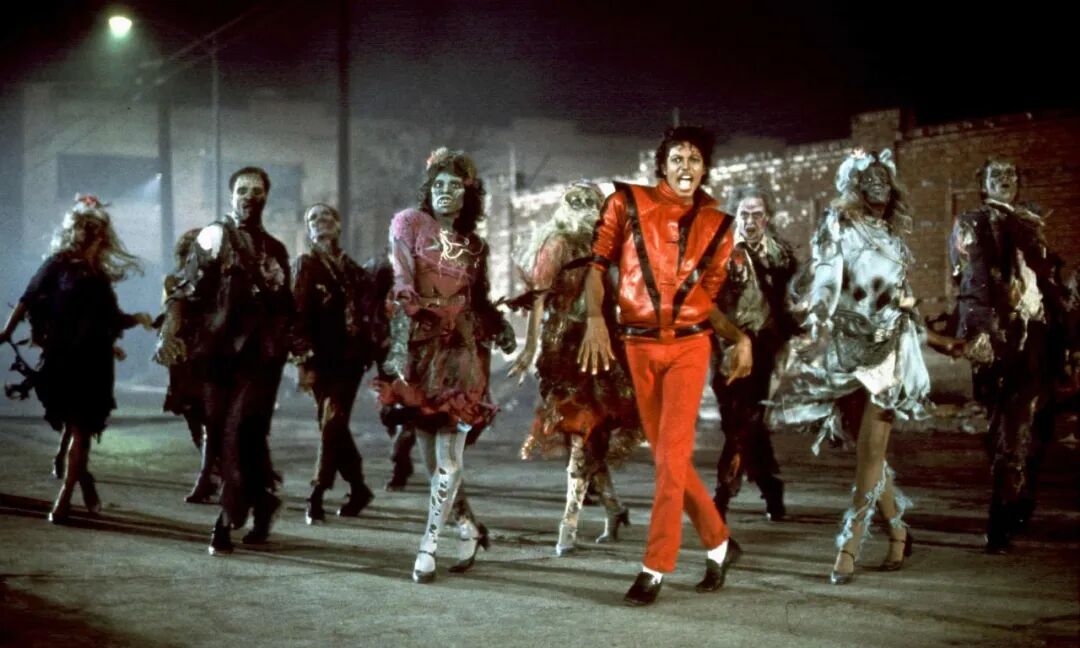
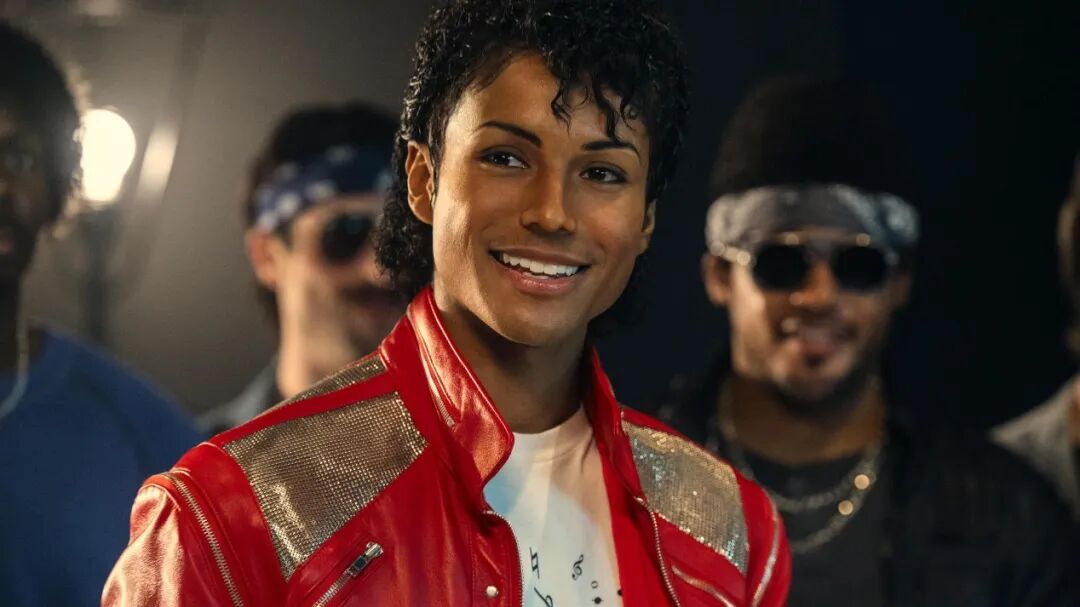
Michael pushes that logic to its extreme. Because of the terms of the 1994 settlement, content related to the allegations involving Jordan Chandler could not appear in the film, and the Jackson estate paid roughly $15 million for sweeping cuts and reshoots, moving the story's endpoint to 1988—before every contested chapter. Commercially it won: a new all-time box-office king among music biopics. Narratively it lost: a biopic whose subject's later life was edited out by legal clause, criticized by reviewers as an image-management project that sidesteps the hard parts. That crack between box office and critical reception is the licensed biopic's sharpest internal contradiction.
The living artist's hunger for control is the same paradox seen from the other side. SPIN's verdict, quoted to good effect in the original report (translated): "When artists control the narrative, they tend to protect the myth rather than reveal the human—and that isn't why we watch." Madonna's total grip on script, casting, and the director's chair meant Universal would pay full freight for "the Madonna that Madonna wants to tell," while the studio carried all the risk. Critic Simran Hans goes further (translated): officially licensed biopics are degenerating into "two-hour extended brand advertisements."
And so the paradox holds: the bigger the IP, the stronger the rights-holder's veto over the narrative, and the higher the cost and risk of making the film. Deceased artists with cooperating estates—Queen, Jackson, Dylan, Presley—are easier to bring to screen than living legends who insist on directing themselves, because the dead don't demand the director's chair.
The Counterargument: Three Exceptions That Can't Be Ignored
"The bigger the IP, the harder the film" still needs trimming as a conclusion; at least three facts push back against it.
First, Michael is itself the counterexample. A super-IP that went through cuts and reshoots still topped the all-time box-office record, which suggests that market-side nostalgia is harder currency than narrative integrity. Audiences voted with their feet, and the "brand advertisement" derided by critics turned out to be the highest-grossing one of all.
Second, the industry is still placing enormous bets on music biopics. Sony Pictures and Apple Corps are producing a four-film Beatles anthology: directed by Sam Mendes, with each film telling the story from one member's point of view, fully authorized by Paul, Ringo, and the Lennon and Harrison estates, and slated for simultaneous theatrical release of all four films on April 7, 2028. This is the biggest bet ever placed on the music biopic—if "super-IPs are too hard to make" were industry consensus, that investment wouldn't exist.
Third, theatrical release is no longer the only arena. The Springsteen film became a streaming hit after its theatrical failure, showing that a music biopic's value now gets realized in layers: box office, awards season, and streaming libraries each keep their own books. Madonna's pivot to a Netflix series is not necessarily a step down—the runtime of a limited series may actually suit an "enormous life" better than a feature film does.
Conclusion: Universal Didn't Reject Madonna—It Rejected a Risk Structure
Put all the evidence back together, and the death of the Madonna biopic resolves into a more precise proposition: the industry didn't reject a legend; it rejected the risk bundle of "living superstar + full budget + no ceding of narrative control + feature directing debut."
In a contraction cycle, studios reserve capital for two kinds of projects: those where narrative control is already settled (estate-authorized, deceased-artist IP), and those whose scale is certain enough (global IP on the Beatles' level). Madonna's problem was fitting neither—she is at once the most expensive rights-holder in her own story and the person least willing to hand over the final cut.
A streaming series may be the real way out of this dead end: more narrative room, lower per-episode risk, and greater tolerance at Netflix for a celebrated first-time director. But as long as her screenplay sits locked in Universal's drawer, everything starts from zero. The other face of the golden handcuffs: the key to them has never been in the superstar's own hands.
Sources
- 音乐先声 (Music First Sound): 《麦当娜,撑不起一部音乐传记片?》 (original article, in Chinese)
- The Hollywood Reporter: Madonna Biopic Scrapped at Universal After Budget Dispute
- Deadline: Madonna Teams With Shawn Levy For Biopic Series In Works at Netflix
- Yahoo Entertainment: Julia Garner Gives Highly Cryptic Update on Her Long-Delayed Madonna Project
- Variety: Madonna Announces New Album 'Confessions on a Dance Floor Part II'
- FilmLA: Rising California Film & TV Tax Credit Productions Signal Growing Industry Momentum Amid 2025 Production Losses
- Box Office Mojo: Bohemian Rhapsody
- Billboard: 'Michael' Surpasses 'Bohemian Rhapsody' as Highest-Grossing Music Biopic of All Time
- The Guardian: 'Michael' moonwalks to $97 million opening, shattering record for music biopics
- Rolling Stone UK: Why the Michael Jackson Movie Doesn't Cover Sexual Abuse Allegations
- SF Gate: Michael Jackson biopic reshoots cost
- Wikipedia: Springsteen: Deliver Me from Nowhere
- Collider: A Complete Unknown Celebrates 8 Oscar Nominations
- Wikipedia: The Beatles – A Four-Film Cinematic Event